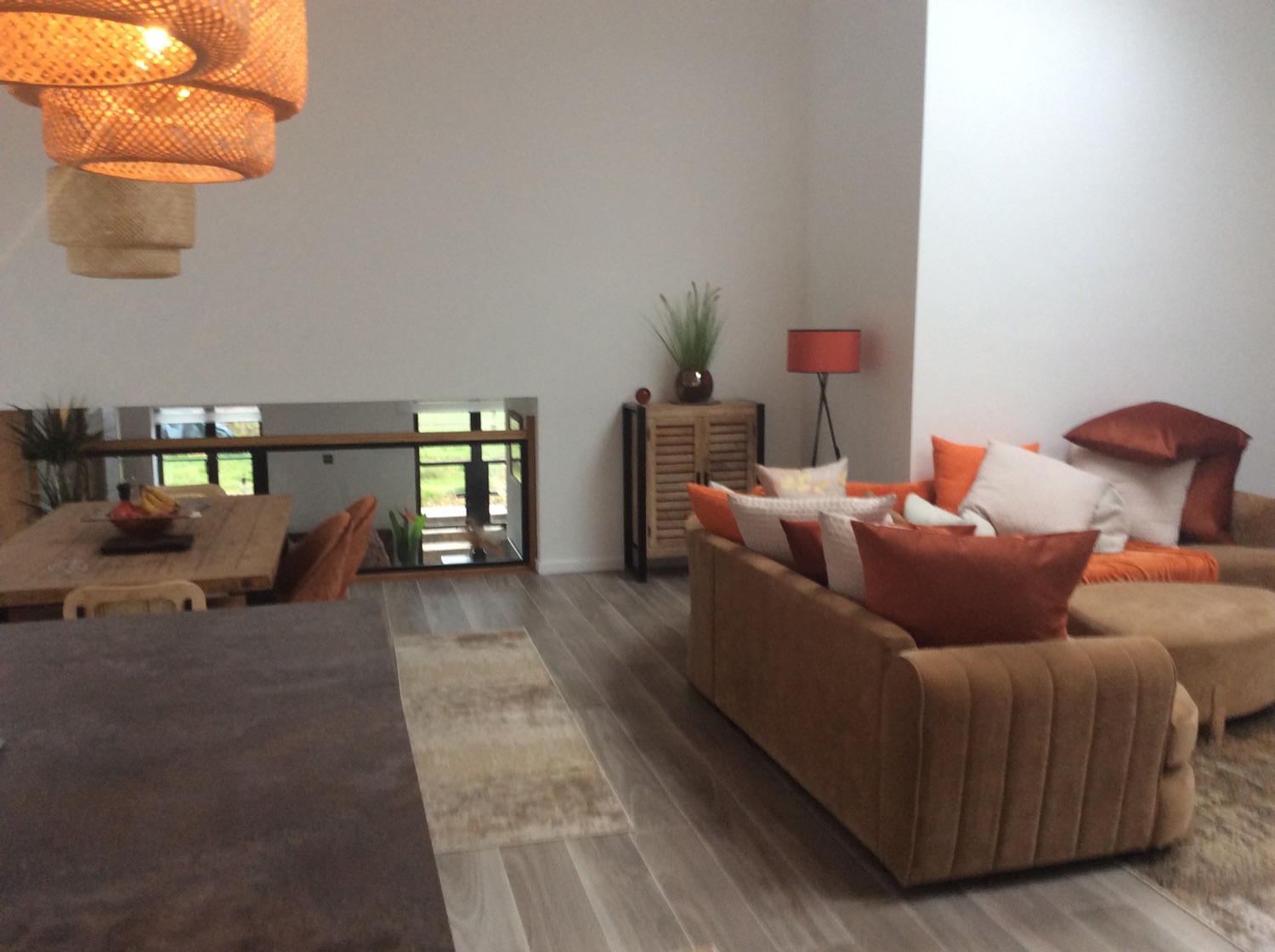
Project Overview
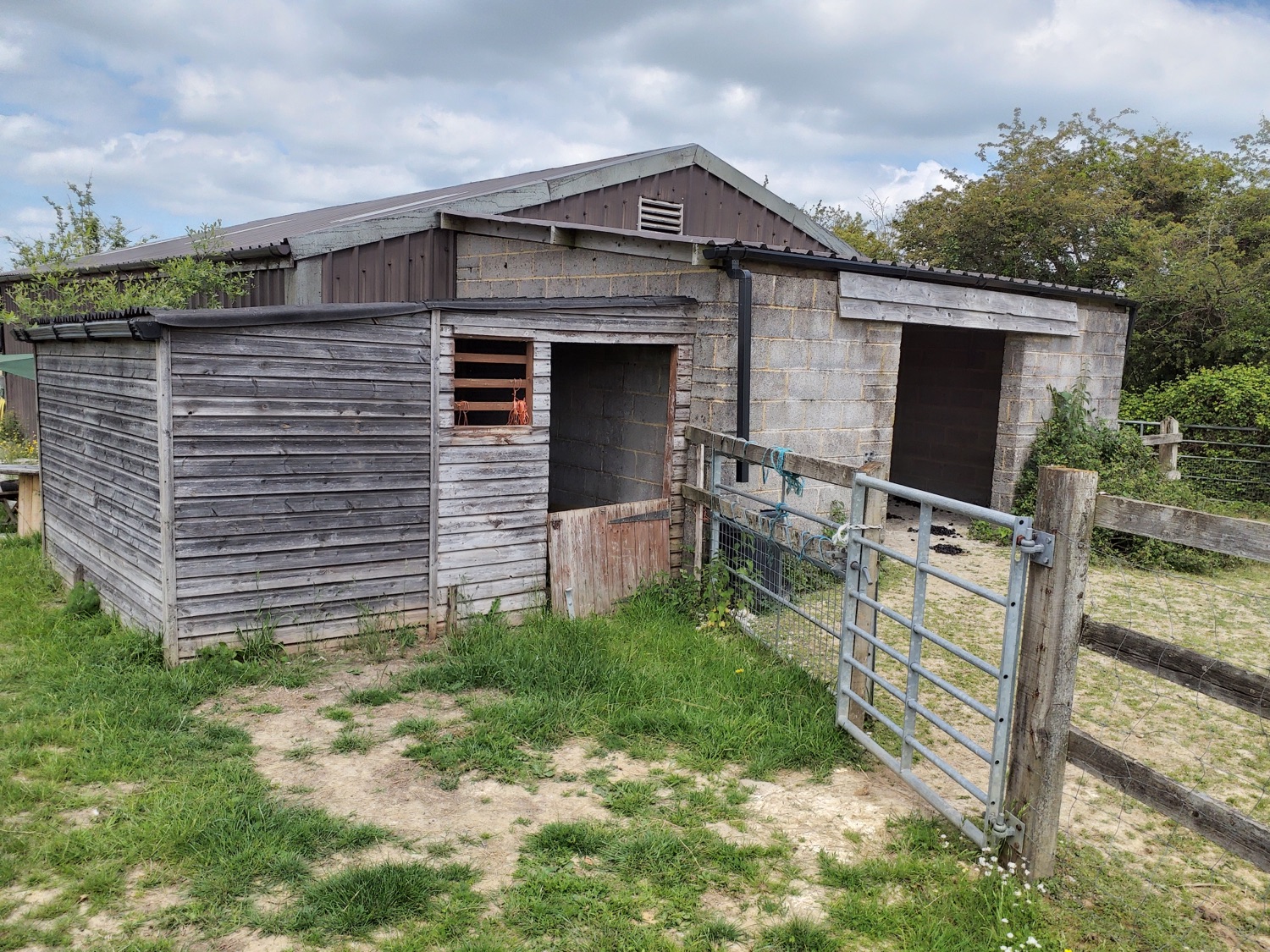
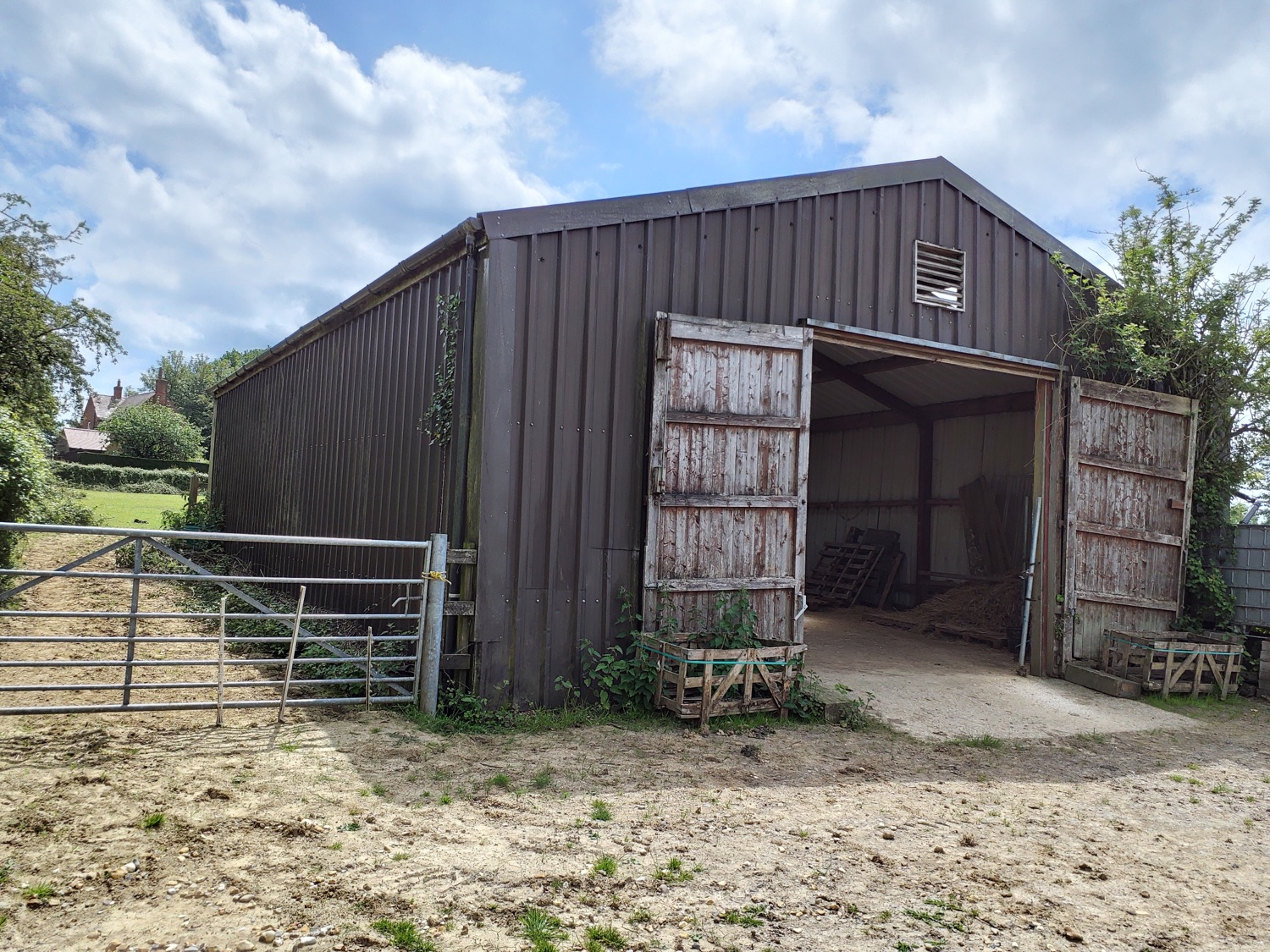
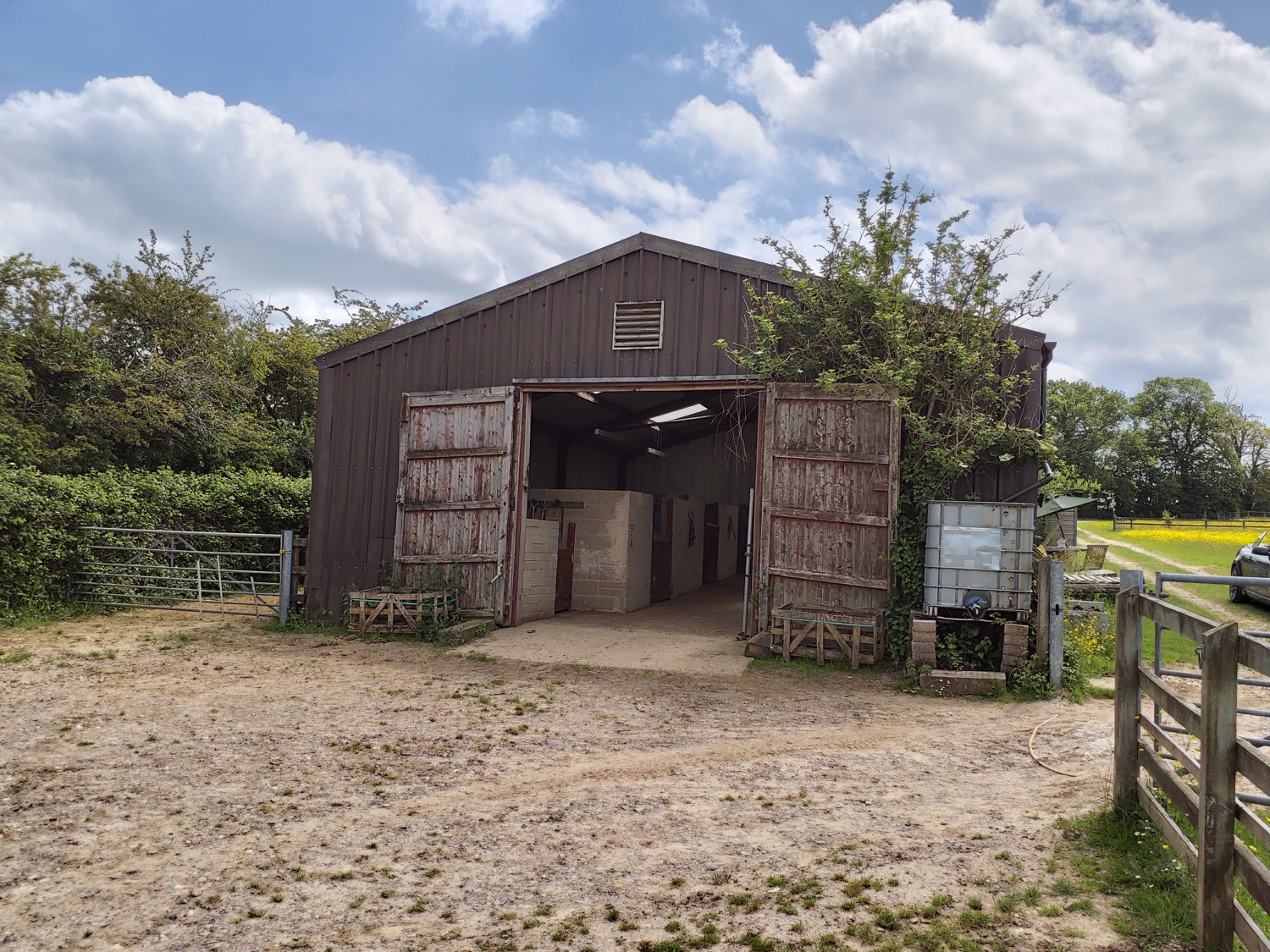
Walnut Tree Barn, located on Manor Road in Durley, Hampshire, was originally an agricultural steel-framed barn. The project objective was to transform this utilitarian structure into a high value residential dwelling while preserving its rural character. The clients were ambitious to create a modern home but had to overcome significant planning hurdles after two earlier design and planning attempts were unsuccessful with other architects. In 2022, Gary White senior planning consultant and architectural practitioner at Winchester Design & Build – delivered a successful conversion scheme that retained the barn’s original steel frame and agricultural essence. The resulting home blends contemporary comfort with sustainable design, all in harmony with its countryside setting. Planning permission was granted in August 2022 for the barn’s conversion and alterations marking the culmination of a strategic and sensitive design approach.
The Planning Challenges – Where two other architects failed to obtain planning.
Prior to the successful scheme, two earlier architectural proposals had failed to obtain approval. The first attempt relied on an extant Class Q permitted development consent for conversion of the barn to a dwelling, which technically allowed a basic change of use but offered a suboptimal design.
The second attempt, a full planning application in early 2021 – proposed a more elaborate redevelopment but was refused by Winchester City Council. Planners criticised the earlier designs for overdevelopment of the site and a lack of sensitivity to the surrounding landscape. In particular, the refused scheme had expanded the barn’s volume and altered its form in ways that dominated the rural scene, contravening local design policies requiring new development to respond positively to its context.
The material choices in the failed proposals were also deemed inappropriate (e.g. overly domestic finishes out of character for an agricultural building), and they did not incorporate meaningful sustainability measures. This omission was notable because Winchester’s planning policies (and the National Planning Policy Framework) emphasise integrating measures to minimize carbon impact in design. In short, the prior designs were seen as standard house like overhauls – “overdeveloped, unsympathetic to the landscape, with poor materials and no sustainable integration” – and thus fell afoul of both local plan policies and national guidelines on quality and sustainability in rural conversions.
Strategic Planning Response by Gary White
Learning from these setbacks, the clients enlisted Gary White, a known planning consultant and architectural practitioner who is director of Winchester Design & Build to formulate a robust planning strategy. Gary White translated the clients’ goals into a comprehensive planning brief and clear deep strategy that directly addressed the council’s concerns and sites potential.
This planning brief set out strict parameters and conditions to ensure policy compliance, effectively turning the project into a case study in proactive planning. Crucially, the new proposal kept the development within the barn’s original envelope – retaining the existing steel frame and structural form, to qualify as a genuine conversion rather than a new build in the countryside. By doing so, the design dramatically reduced the visual impact of the project, avoiding the appearance of overdevelopment. The retained steel portal frame became the skeleton for the new home, honouring the barn’s agricultural identity and reusing the existing resource of the structure (a strategy encouraged by the NPPF’s call to reuse buildings rather than rebuild).
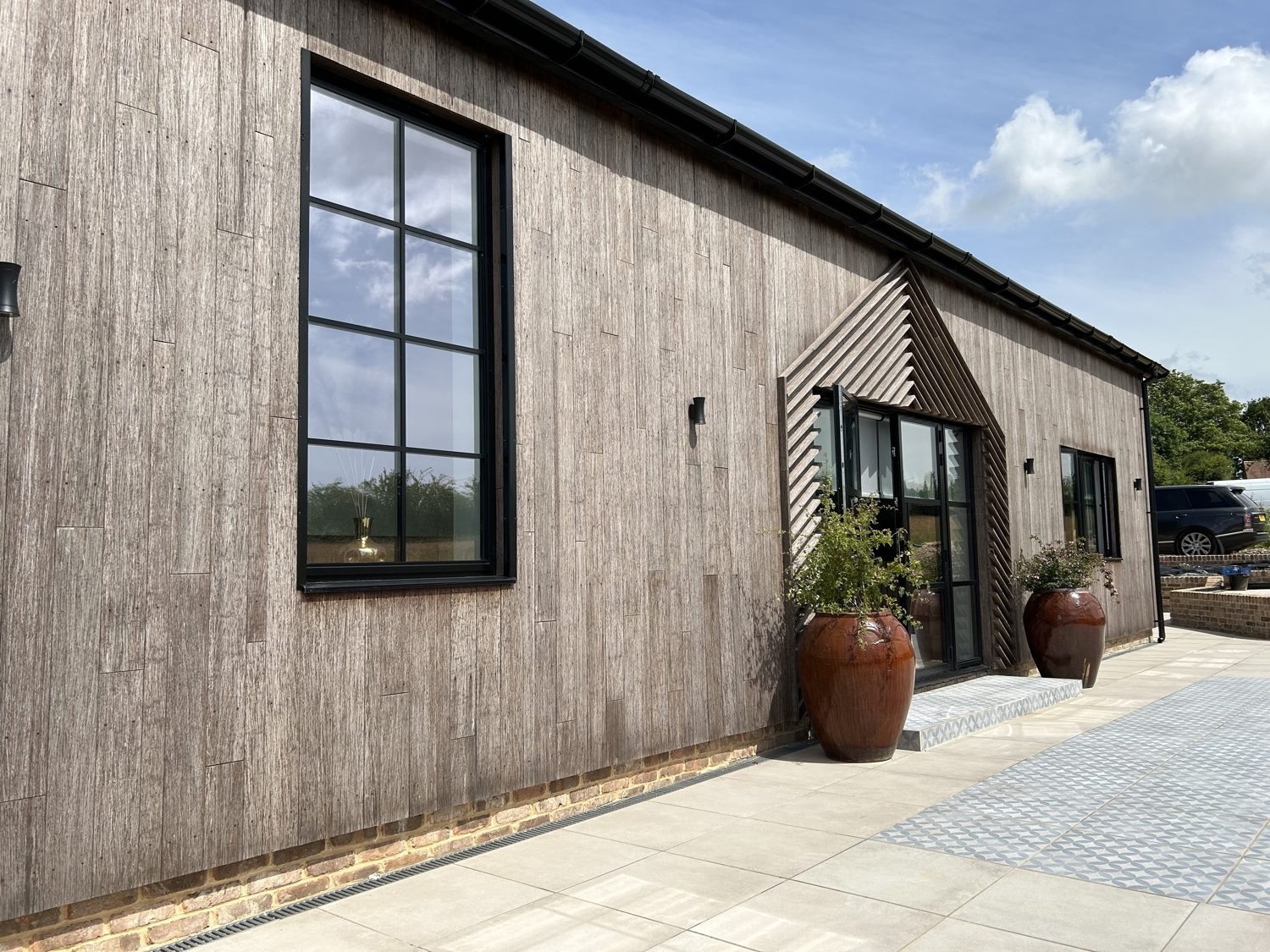
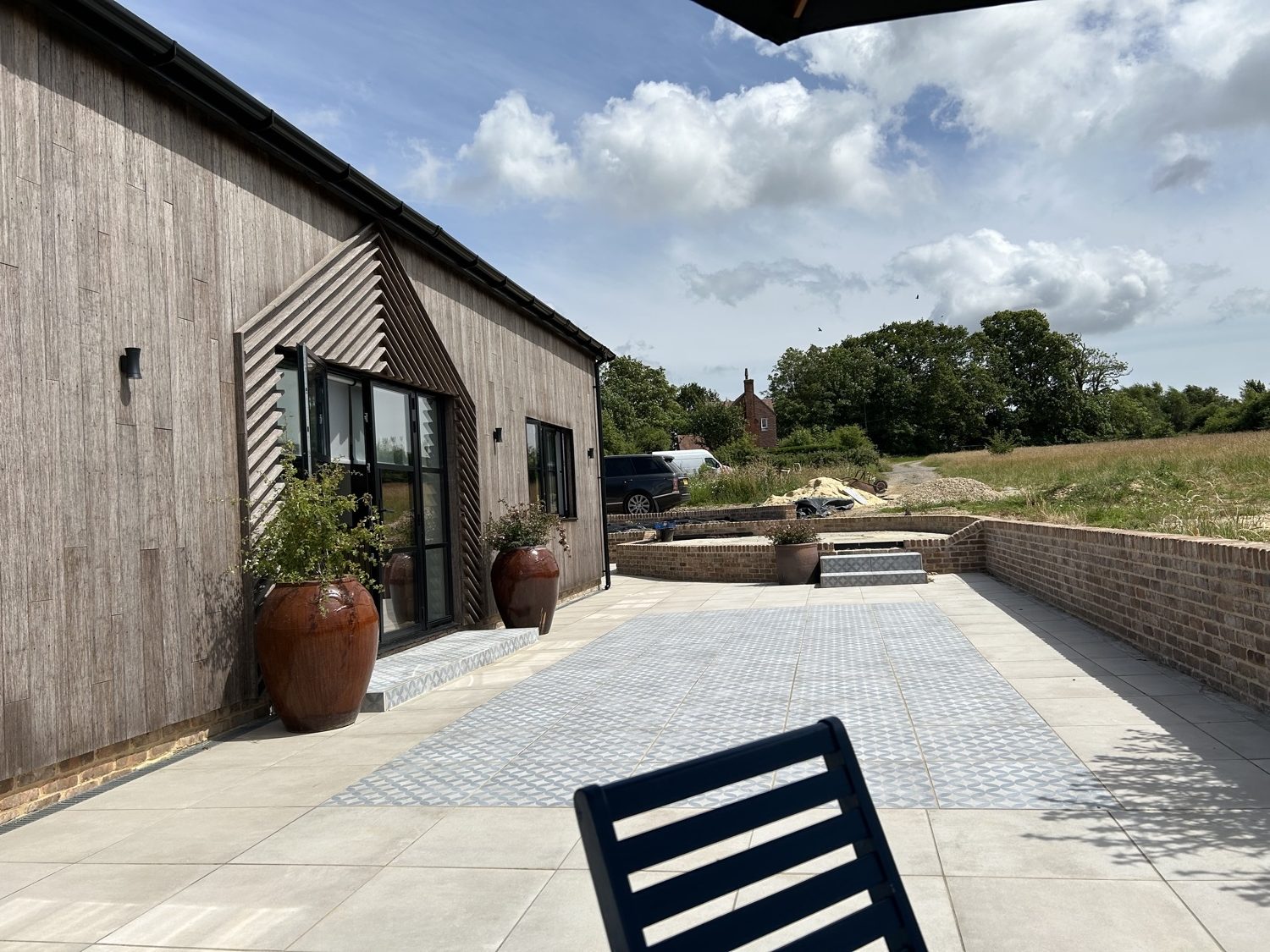
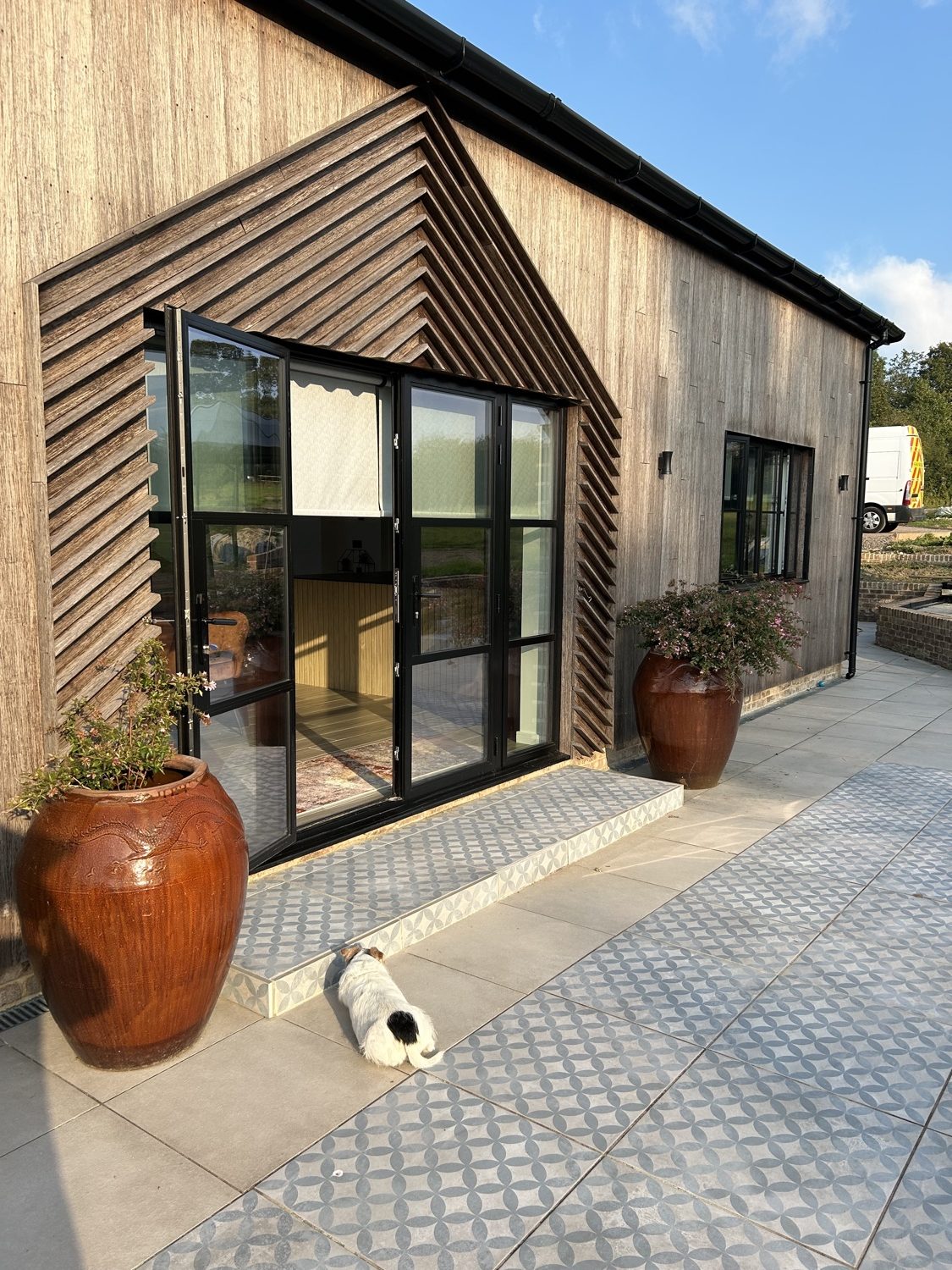
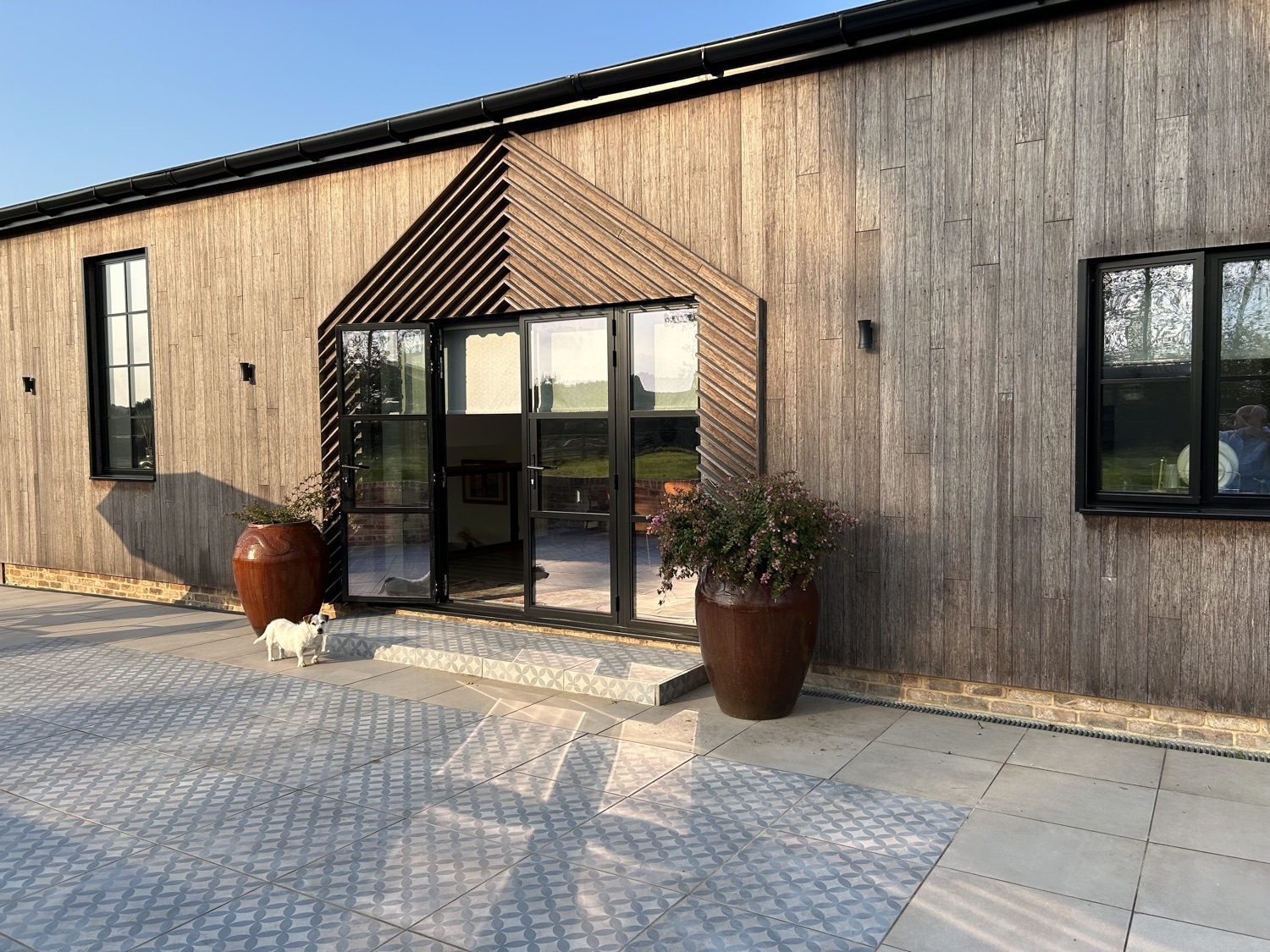
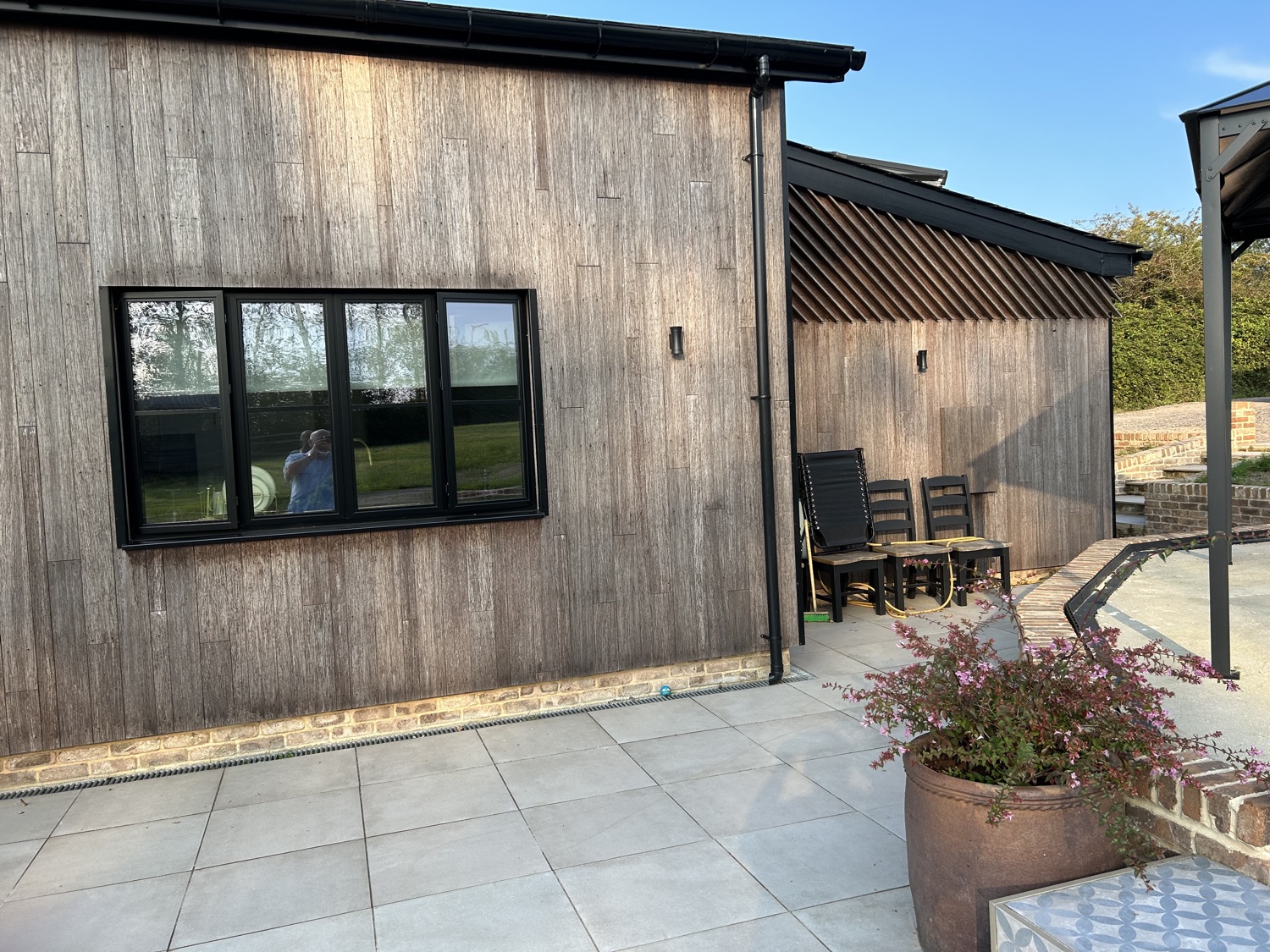
Gary White’s strategic approach also involved choosing materials and architectural details that respected the rural setting. The design palette drew from agricultural vernacular, for example, Bamboo cladding and a metal roof akin to a farm building – rather than introducing incongruous suburban materials. This satisfied Local Plan Policy CP13 (High Quality Design), which requires new developments to be informed by site context and to make a positive contribution to local character. At the same time, the planning brief embedded sustainability at its core, aligning with Policy CP11 (Sustainable Low and Zero Carbon Built Development) by planning for high energy efficiency and on-site renewable energy from the outset. By explicitly detailing these measures in the application, the proposal demonstrated it would meet stringent environmental standards. In summary, the strategic response was to “scale back and dig in”: scale back outward expansion and dig into the ground (literally, via a basement) to achieve space, and to front-load the planning application with clear commitments to design quality and sustainability. This strategy convinced authorities that the new scheme overcame previous issues and adhered to both the local planning policies (CP11, CP13) and the principles of the National Planning Policy Framework.
Architectural Design Solutions
The architectural solution for Walnut Tree Barn was ingenious in balancing the client’s space needs with the imperative to preserve the barn’s outward appearance. A key move was the inclusion of a basement extension and sunken terrace, which provided additional living area without altering the barn’s original form and silhouette. By expanding downward below ground level, the design gained floor space in a discreet manner, invisible in the rural landscape, thereby avoiding any increase in the barn’s height or massing. The sunken terrace, set below natural grade, offers outdoor space and light to the basement level while remaining largely hidden from outside view. This approach satisfied the local planners’ and Policy CP13’s emphasis on keeping new development subservient to its context and minimizing visual impact on the countryside.
At ground level, the design preserved the simple rectilinear volume of the barn. The original steel frame was retained entirely, and new openings were kept in proportion so that the structure still reads like an agricultural building. Any necessary additions (for example, modest dormer-style rooflights or gable glazing) were executed within the roofline or existing walls so as not to project beyond the barn’s established envelope. The careful placement of windows and a restrained approach to landscaping ensured the conversion does not suburbanize the site. Existing mature trees and hedgerows around the barn were preserved or augmented to help the new dwelling sit comfortably in the landscape. Overall, the architectural design can be described as “retain and enhance”: retain the barn’s fundamental structure and shape and enhance it subtly with modern elements to create a home. This respectful design approach directly addressed prior criticisms – it shows deep sensitivity to the landscape character and uses a material palette that echoes the barn’s agricultural roots (correcting the earlier scheme’s material discordance).
Sustainable Design Features
From inception, the successful conversion project was geared toward exemplary sustainability, in line with the clients’ ambitions and policy requirements. The completed Walnut Tree Barn residence incorporates a suite of sustainable technologies and construction techniques that elevate it well above standard building regulations for energy and water performance:
- Ground Source Heat Pump (GSHP): The home’s heating and hot water are provided by a ground source heat pump, which draws renewable thermal energy from the earth. This system eliminates the need for oil or gas, drastically cutting carbon emissions for heating. The GSHP is a highly efficient choice that aligns with local and national goals to support low-carbon heat infrastructure. It also future proofs the home against rising energy costs and regulatory shifts away from fossil fuels.
- Solar Photovoltaic Array: A 4 kW photovoltaic panel system is installed, likely on the barn’s expansive south-facing roof slope. These solar panels generate clean electricity on site, contributing to the home’s power needs and battery storage even exporting surplus to the grid. Incorporating renewable generation on the building itself demonstrates compliance with Policy CP11’s hierarchy of carbon reduction – after energy efficiency, the next step is to supply energy via renewables. The 4kW PV system not only reduces the dwelling’s net carbon footprint but also tangibly supports the NPPF’s directive to “support renewable and low carbon energy” in development.
- Highly Insulated Envelope: The building’s thermal envelope was upgraded to modern standards with high levels of insulation in the walls, roof, and ground floor. New bamboo cladding conceals thick insulation layers within the wall build-up, and the roof likely contains substantial insulation between and above the steel rafters. Windows are double or triple glazed units designed to minimise heat loss. These measures result in a home that significantly exceeds basic building regulations in energy efficiency, an essential factor in meeting Code for Sustainable Homes Level 4 for energy. In fact, Winchester’s Policy CP11 had aspired to Code Level 5 energy performance, but current government standards cap requirements at roughly Code Level 4 (19% carbon reduction beyond 2013 regs) Walnut Tree Barn’s design achieves this level by maximizing passive energy performance (air-tightness, insulation, solar gain management) before adding the active renewable systems. The insulation and air tight construction also improve comfort for occupants and reduce running costs.
- Water Conservation: In line with Code Level 4 for water, the dwelling includes features to cut potable water use. Low flow plumbing fixtures, dual-flush toilets, and rainwater harvesting and water treatment plant system ensure not only that daily water consumption stays within the strict limit (around 105 liters per person per day) required under Code 4 standards but the waste water is purified before it is discharged in a read bed location. Meeting this standard was likely a condition of approval, reflecting the local plan’s continued enforcement of high water efficiency in new homes.
In addition to these technologies, retaining the existing steel frame itself is an environmental benefit, by recycling the primary structure, the project saved on new materials and avoided the significant carbon emissions that would be involved in producing and transporting a new steel or concrete frame. This adaptive reuse approach embodies sustainable construction practice and answers the NPPF’s call to “encourage the reuse of existing resources, including the conversion of existing buildings” as is visible on .gov websites. The comprehensive integration of sustainability features earned the project compliance with Code for Sustainable Homes Level 4 for both energy and water, as required by local policy after the code’s wind-down. It also fulfils the Winchester Local Plan mandate that new designs include measures to minimize carbon emissions as an integral part of the solution, rather than as an afterthought.
Outcome and Recognition
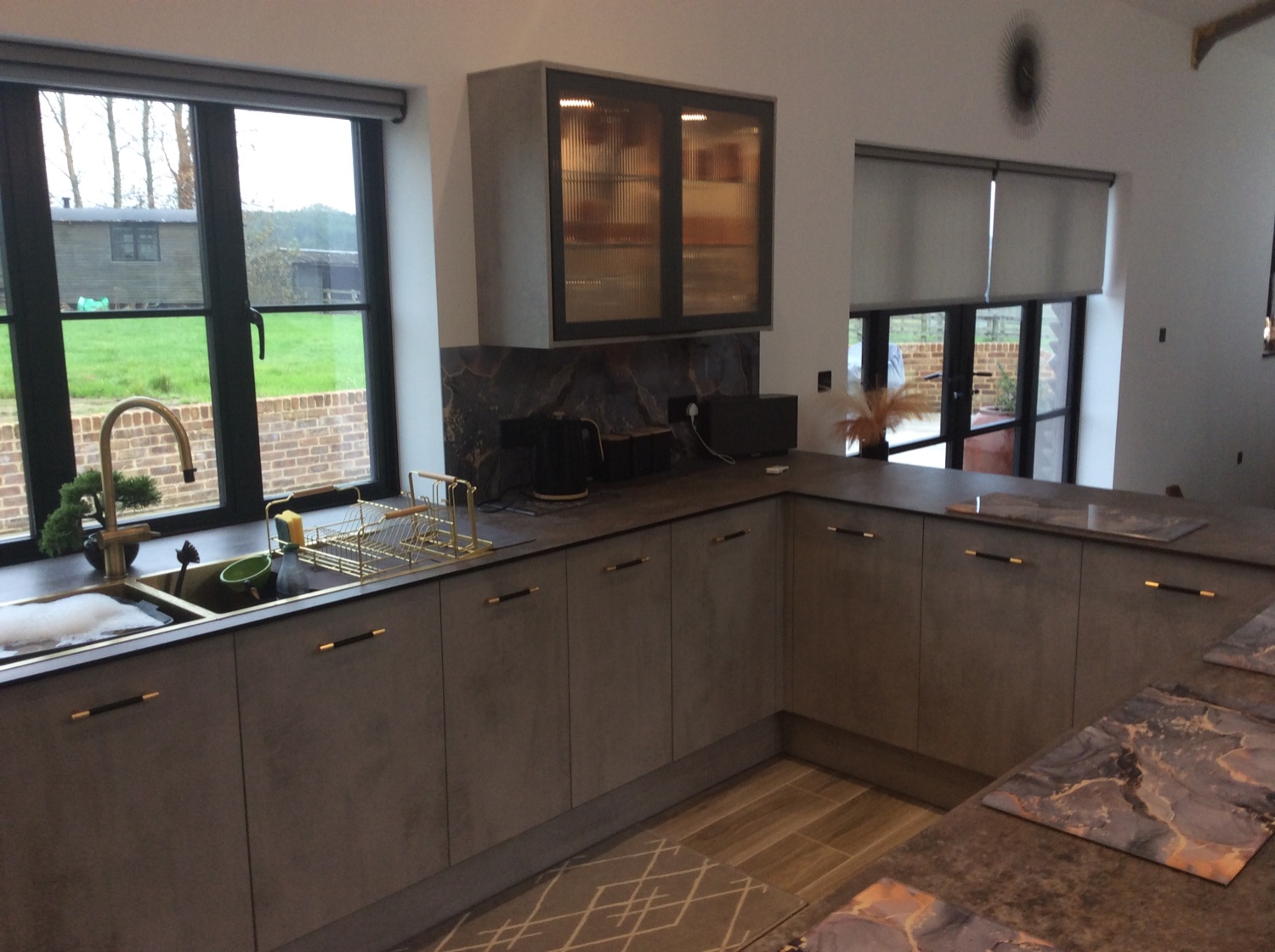
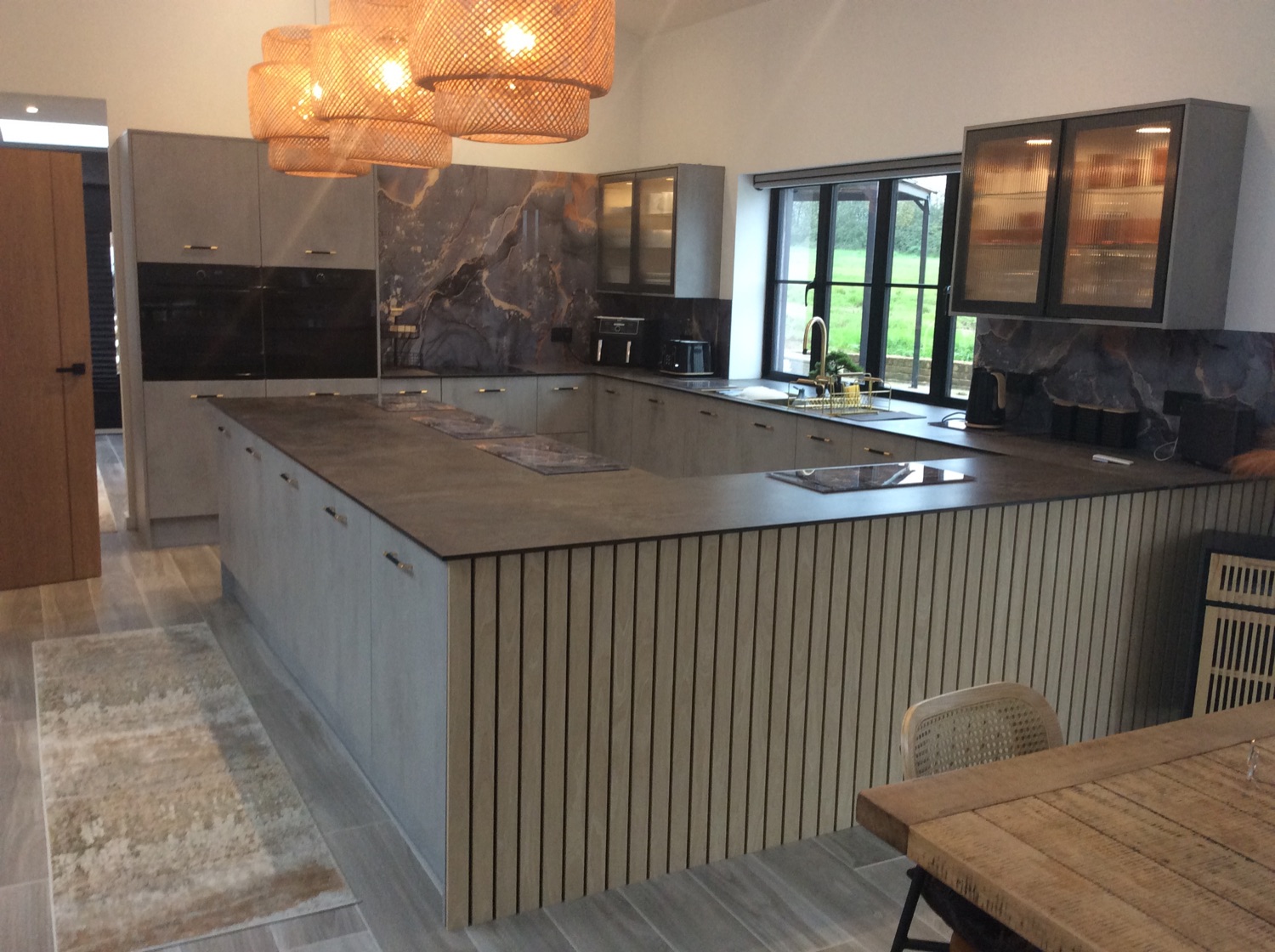
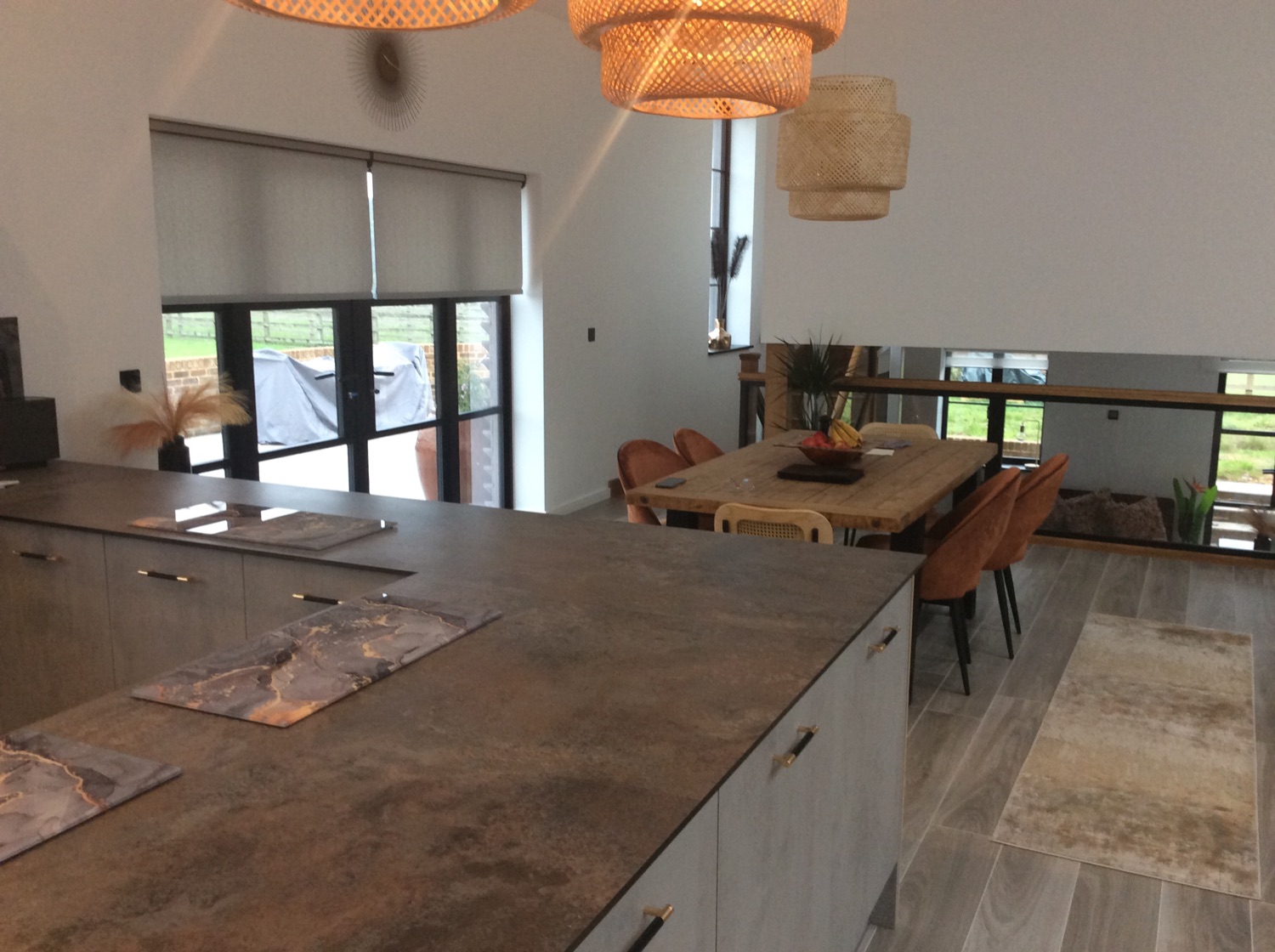
The outcome of the Walnut Tree Barn project stands as a testament to strategic planning and sustainable design excellence. With Gary White’s guidance, the application addressed all prior concerns and obtained planning approval (Case No. 22/00206/FUL) in August 2022. Construction moved forward successfully, and by 2023 the former barn had been fully transformed into a comfortable 21st-century home without losing its agricultural charm. The project met all the conditions set out in the planning brief, including the sustainability criteria of Code 4 and the design quality benchmarks of CP13.
This conversion has been recognised as an award-winning example of how to do rural development right. It has drawn praise for its clever use of a basement and sunken terrace to expand living space invisibly, and for demonstrating how old farm buildings can be repurposed to high environmental standards. The local planning community regards Walnut Tree Barn as a model case, frequently cited to show that even small scale projects can achieve net gains in design and sustainability when guided by a clear strategy. In fact, the scheme’s alignment with Winchester’s planning policies (CP11 on low-carbon development and CP13 on design excellence) and the NPPF’s sustainability ethos has been held up as best practice. By working with the landscape and the existing structure, rather than against them, Gary and his design team delivered a home that enhances its rural setting.
In conclusion, Walnut Tree Barn’s conversion journey, from two failed proposals to an ultimately celebrated project , underscores several key lessons: the importance of context-sensitive design, the value of early integration of sustainable technology, and the critical role of a strong planning narrative. This case study illustrates how a formerly derelict farm building was reborn as a sustainable luxury residence through innovative design and strategic planning, setting a benchmark for future barn conversion projects in the region.